What actually matters (and what you can ignore)
If your goal is a single, honest answer: choose the tool that fits how you work, not the one that looks most feature-packed. The real decision criteria are compatibility with your vehicle, the functions you need (code reading, live data, resets, active tests), reliability and how you prefer to interact (phone app vs built-in screen). You can safely ignore flashy specs like “supports every car” on low-cost adapters, marketing language about “professional-grade” without clarifying supported systems, and minor UI ornaments that don’t affect core diagnostics.
Decision criteria that should guide your choice
Use these practical filters in order — they decide whether Bluetooth or handheld is the better buy for you.
- Vehicle and system coverage: Does the scanner support your make, model, and the specific systems (ABS, SRS, transmission, diesel emissions) you need? Coverage is more important than brand claims.
- Function set: Basic code read/clear, live PIDs, freeze frame vs advanced service functions (oil reset, DPF regen, injector tests, bi-directional control). More functions usually require higher-cost devices or specific apps.
- Reliability and connection stability: Bluetooth depends on your phone/app and radio reliability; handhelds are typically more stable because they’re self-contained.
- Usability and workflow: Do you prefer a dedicated device with buttons and screen or a customizable app on your phone/tablet? Consider multi-vehicle use and the need to share data.
- Longevity and updates: Will the manufacturer provide firmware and app updates? Cheap adapters can be unsupported after a year.
- Price and scalability: Initial cost matters, but also factor in paid app subscriptions, extra cable adapters, and whether you’ll need multiple tools over time.
Bluetooth OBD2 adapters — strengths and trade-offs
Bluetooth adapters are dongles that plug into the vehicle’s OBD2 port and pair with a phone or tablet. Their main advantages are convenience, low cost and the rich interface of mobile apps.
When Bluetooth wins
- Low entry cost. Good for DIYers who want basic code reading/clearing and live data without paying for a full scanner.
- Convenient logging and sharing. Apps make saving screenshots, CSV exports and sending reports to a mechanic easy.
- Flexible UI. You can pick from a wide variety of apps (some free, some paid) to match the workflows you prefer.
Typical limitations
- Variable compatibility with iOS (many cheap ELM327-style dongles only work reliably on Android).
- Unreliable connections on cheaper units—dropouts, pairing issues, or slow data streaming.
- Advanced functions often unavailable or require expensive proprietary apps and higher-end Bluetooth models.
Handheld OBD2 scanners — strengths and trade-offs
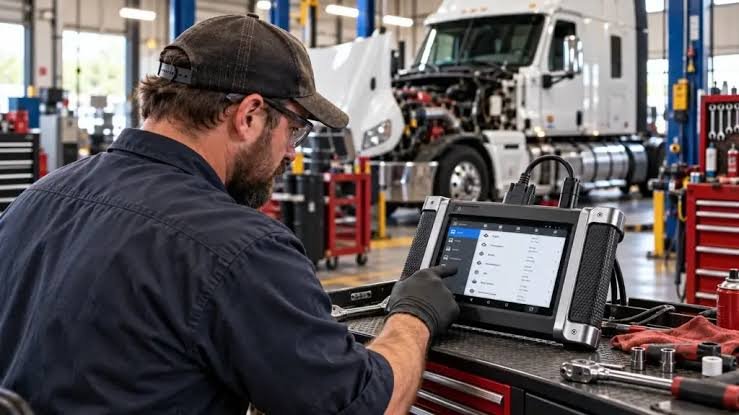
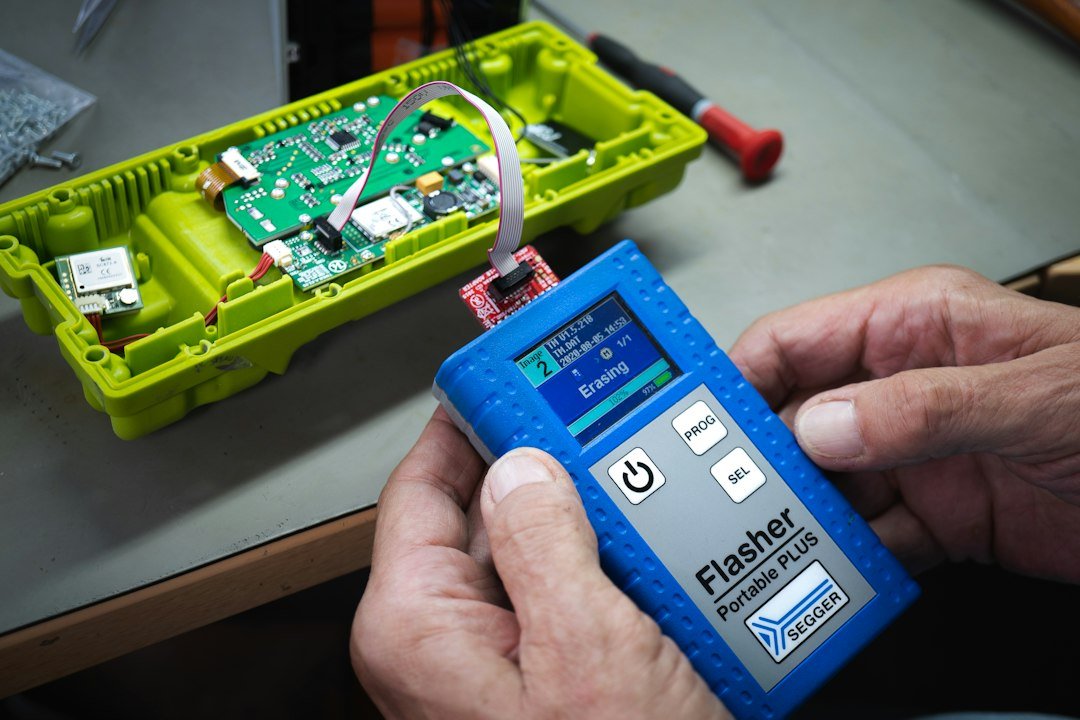
Handheld scanners are self-contained units with their own display and controls. They range from simple code readers to advanced bi-directional tools.
When handhelds win
- Reliability and speed: no wireless pairing; scans start as soon as the unit is connected.
- Better for frequent, on-the-road use and professional environments where consistent performance matters.
- Many handhelds include manufacturer-backed updates and clearer indications of supported systems and vehicles.
Typical limitations
- Higher upfront cost for similar advanced features compared with some Bluetooth-plus-app combinations.
- Less flexible display and logging unless the unit supports exports via USB or Bluetooth.
- Bulk: it’s another device to carry and manage, though many users prefer the dedicated tool feel.
Which option suits which kind of buyer
Match your profile to the likely best tool:
- Weekend DIYer, occasional code clearing: Bluetooth adapter. Pick a well-reviewed unit with verified app compatibility (Android and iOS if needed).
- Home mechanic who wants data logging and sharing: Bluetooth can work if you pick a higher-quality adapter and a paid app. The Thinkdiag (see product suggestion below) is a strong mid-tier option offering extra service functions.
- Small shop or professional technician: Handheld. Look for a unit with clear system coverage, regular updates and bi-directional capability when needed.
- Owners of older or diesel vehicles with emission controls and advanced systems: Prefer handhelds or high-end Bluetooth tools that explicitly list support for diesel/emission systems.
- Fleet managers or users who need multiple subscriptions and sharing: Bluetooth ecosystems can scale well for remote logging and centralized data but confirm app licensing.
Recommended product choices from this store catalog
If you want a practical starting point based on the store’s top-ranked products:
- For a capable Bluetooth option with extended functions:
- For a reliable low-cost Bluetooth adapter to pair with apps:
- For a simple, dependable handheld scanner:
Practical buying tips before checkout
- Confirm explicit vehicle/system support in the product description, not just a “works on most cars” claim.
- Check whether the app you need is free, subscription-based, or one-time paid; consider long-term costs.
- Read recent user reviews about connection stability and firmware updates.
- If you need advanced service functions, verify bi-directional capability and which functions are supported.
Final notes on future-proofing your purchase
Prioritize manufacturers that provide firmware updates and clear documentation. If you expect to move from simple diagnostics to more advanced service tasks, buying a more capable handheld or a higher-end Bluetooth dongle with an upgrade path will save money long term.
- List the exact systems you need to test (engine, ABS, SRS, transmission, DPF).
- Confirm OS compatibility: Android, iOS or both for Bluetooth tools.
- Check whether required service functions are supported and whether they need extra software.
- Read recent reviews for connection reliability and update frequency.
- Decide if portability or a dedicated device matters more for your workflow.
Choose a Bluetooth adapter if you want low cost, app flexibility and easy sharing; choose a handheld if you need dependable, standalone performance and clearer system coverage. Match the tool’s supported functions to the systems you actually repair or monitor.
Can a Bluetooth adapter perform advanced service functions?
Some higher-end Bluetooth models and vendor apps do support advanced functions, but many cheap dongles are limited to code read/clear and basic live data. Always check the specific supported functions.
Will a Bluetooth OBD2 adapter work with iPhone?
Many inexpensive ELM327-style adapters only support Android; verify iOS compatibility in the product listing or choose a model specifically advertised as iOS-compatible.
Is bi-directional control only available on handhelds?
No—bi-directional tests exist in both handhelds and some professional Bluetooth tools, but it's more common and reliable in higher-tier handhelds and vendor-specific Bluetooth systems.
How important are firmware updates?
Very important—updates add vehicle coverage, fix bugs and improve stability. Prefer brands that publish update histories or offer regular app support.
Should I buy multiple tools for different vehicles?
One versatile handheld or a high-quality Bluetooth system with a strong app can cover multiple vehicles; choose based on the most demanding vehicle in your fleet or garage.