What really matters when comparing Autel vs Launch vs ANCEL (and what you can ignore)
When choosing between Autel, Launch and ANCEL, focus on four decision areas: vehicle and module coverage, bidirectional (active) test capability, software update policy and workflow (UI, hardware). Ignore marketing claims about “full system” unless you verify specific module coverage and manufacturer support for the vehicles you service. Also don’t be distracted by minor accessory differences—cases and leads are replaceable; core function and support are not.
Decision criteria: the few checks that decide the purchase
Use these practical checks in order — they’re sorted by how often they change a buying decision.
- Target vehicle coverage: Confirm exact makes, model years and heavy‑duty support (if you work on trucks). A general “works on many cars” line is useless if it skips your fleet.
- Bidirectional control & special functions: Read/clear codes is table stakes. Look for bi‑directional controls, adaptations, programming and resets you actually need (DPF regen, injector coding, ABS bleed, TPMS services).
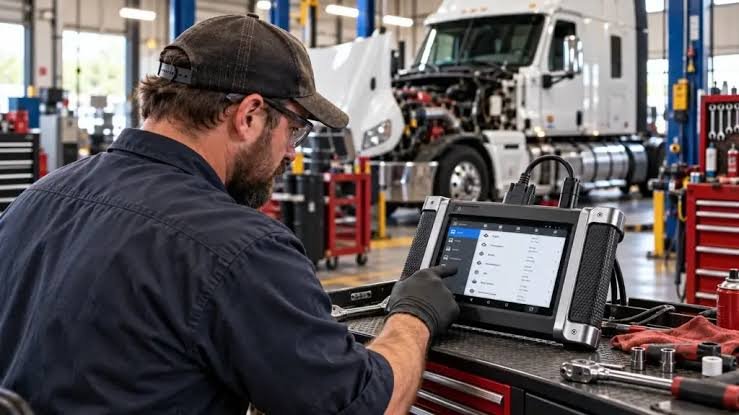
- Data and testing workflow: How fast is live data streaming? Can you record, graph, freeze frames and compare parameters? Tablet-style tools often make troubleshooting faster than small handhelds.
- Updates, subscriptions and regional support: Check update cadence, per‑vehicle activation fees, and whether the vendor provides dealer‑level protocols for specific brands you need.
- Hardware ergonomics and durability: Screen size, battery life, Bluetooth vs wired adapters, and protective case matter if you use the tool daily in a shop.
Comparing trade-offs between Autel, Launch and ANCEL
Below are the meaningful differences you’ll actually feel day-to-day rather than marketing buzzwords.
Coverage and target market
Autel tends to offer broad consumer and professional lines; their mid-range tablet scanners commonly include wide vehicle coverage and many service functions. Launch is strong in heavy‑duty and dealer‑style products—especially the X431 family and model-specific CRE series—so it’s a leading choice for shops that need deep truck and brand-specific diagnostics. ANCEL is positioned as value‑oriented: good basic coverage for light vehicles and useful for DIYers or smaller shops but usually falls short on heavy‑duty and advanced OEM functions.
Bidirectional capability and advanced services
If you require active tests and module programming, Launch’s higher-end units (e.g., X431 PRO3S+) commonly provide robust bi‑directional controls and some dealer-level functions. Autel’s commercial tablets also support many active tests and special services; their strength is an intuitive interface with extensive service menus. ANCEL models usually cover common service functions (reset, DPF regen on supported models) but rarely match Autel/Launch for deep ECU coding or extensive bi‑directional support.
Workflow: UI, live data and diagnostic speed
Autel’s tablet UI and record/graph tools are polished; technicians often praise its quick access to live data and ability to save diagnostic sessions. Launch’s more advanced tablets focus on workflow for professional shops—fast module scans, session comparisons and streamlined reporting. ANCEL offers simpler interfaces which are quicker to learn but may slow you during complex troubleshooting because of limited graphing, fewer onscreen parameters and smaller displays.
Updates, subscriptions and long‑term support
Check how each brand handles updates. Autel and Launch regularly release software updates; Launch sometimes requires subscription tiers for access to brand-specific or heavy‑duty modules. ANCEL’s update system is usually lower cost but may lag in adding new model coverage. If you support newer vehicles frequently, factor update cost into the total ownership price.
Durability, accessories and repairability
All three brands sell accessories and cases; choose based on how you work. Launch and Autel tablets are built for shop use with replaceable adapters and stronger cases. ANCEL handhelds are lighter and cheaper but less rugged for daily shop drops and harsh environments.
Which brand suits which buyer: practical pairings
- Independent shop with mixed cars and light trucks: Autel tablet (mid‑range MaxiCOM line) — balances coverage, UI and active tests without the highest subscription ROI of dealer systems.
- Truck or fleet shop needing deep heavy‑duty diagnostics: Launch X431 / CRE series — choose model-specific CRE heavy‑duty units or the PRO3S+ tablet for extensive bidirectional and truck protocols. Consider the LAUNCH X431 PRO3S+ V5.0 (ID 3531) for bi‑directional capability and shop workflows.
- DIY, small shop, or backup tool: ANCEL handhelds — low cost, easy to use for routine maintenance and basic service functions. Add a small protective case (if needed) for portability.
- When budget vs capability is strict: Prioritize coverage for the specific vehicles you’ll work on and the exact service functions you need rather than the brand name.
Recommended products from our catalog
If you need a starting point matched to the use cases above:
Final checks before you buy
Before clicking purchase, verify these specifics with the vendor or product sheet: exact VIN-level coverage, active tests list for each targeted module, cost and method of updates, and whether the tool supports customer reporting or data export you require.
- Confirm explicit vehicle makes, model years and ECU modules supported for your fleet.
- List the bidirectional functions you need (DPF, injector coding, ABS bleed) and verify each tool supports them.
- Check update frequency, cost, and whether online activation is needed per vehicle.
- Decide between handheld vs tablet workflow based on how often you record/graph live data.
- Choose ruggedness level: daily‑shop use or occasional DIY.
- Ensure availability of replacement adapters and local service or technical support.
Pick Launch for highest heavy‑duty and dealer‑style depth, Autel for a balanced professional tablet that’s easy to use across many cars, and ANCEL when you need a budget-friendly tool for routine service. Match the tool to the exact vehicles and active tests you actually need; that alignment matters far more than brand slogans.
Do these scanners read all modules on every car?
No—“full system” claims vary by model and vehicle. Always verify the specific module list (ECU, ABS, SRS, transmission, body modules) for the make/model/year you will service.
Is bidirectional control necessary for a small shop?
If you perform component activation, calibrations or advanced repairs (injector tests, actuator checks), bidirectional is essential; for simple code reads and resets it is not.
How important are software updates?
Very important—updates add new vehicle coverage, fix bugs and sometimes unlock service functions. Consider update costs in the total ownership budget.
Can I use Autel or Launch for heavy‑duty truck DPF or injector coding?
Yes—higher-end Launch models and certain Autel heavy‑duty tools support DPF regeneration and injector/ECU services; confirm model specifics against your truck platforms.
What accessories should I buy with a scanner?
Buy a quality OBD-II/Bluetooth adapter if not included, a protective case, spare leads, and a laptop/tablet mount if you’ll record lots of live data in the bay.