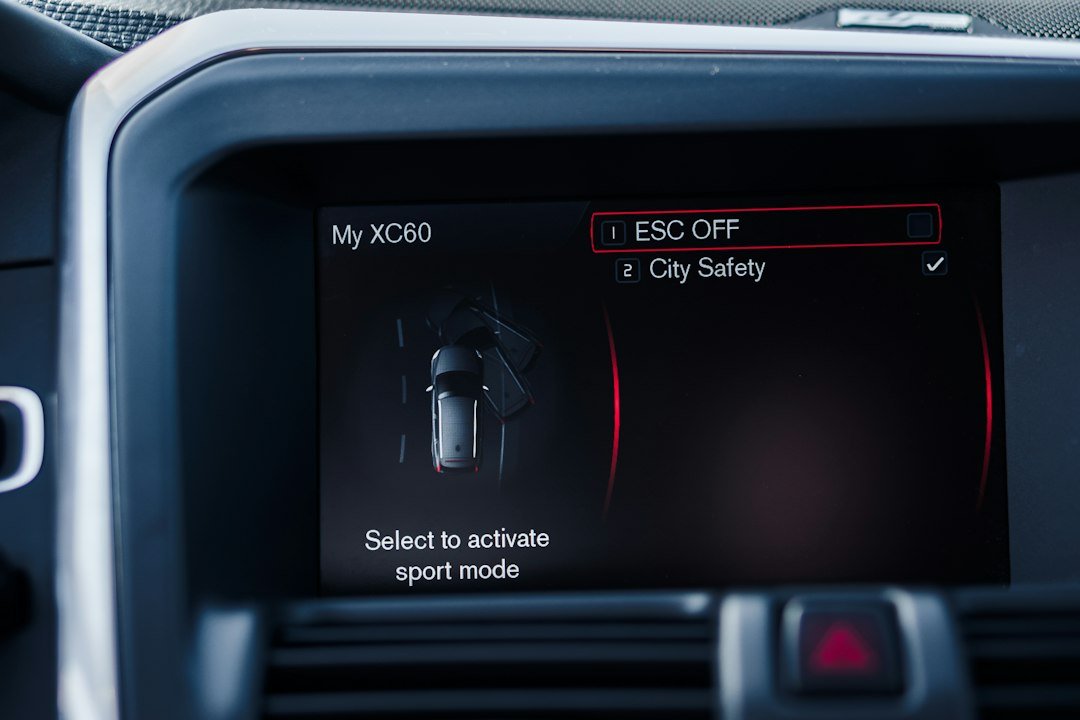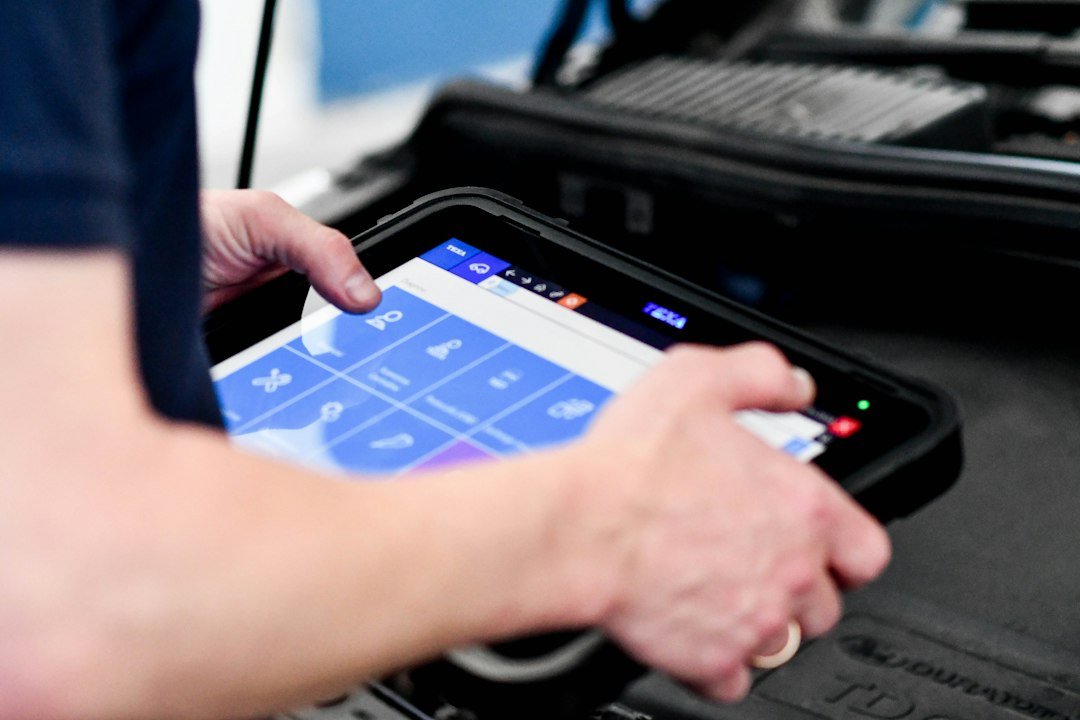
Answer first: what a bi-directional scan tool does and why it matters
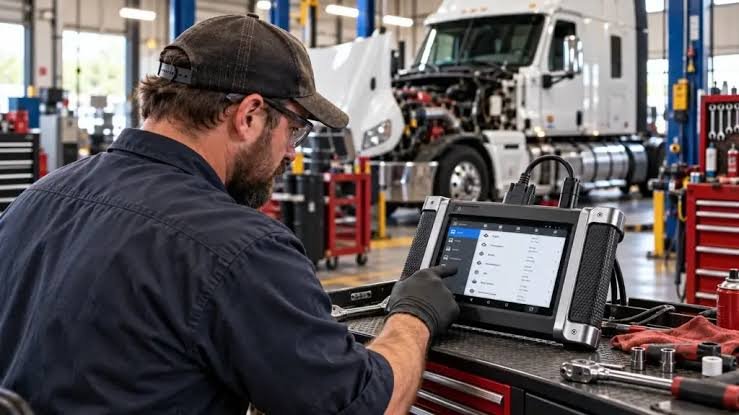
A bi-directional scan tool can both read data and send commands to vehicle modules — it performs "active tests" or "bidirectional diagnostics" that operate valves, relays, injectors, fans, and other components on command. If your goal is only to read and clear fault codes or view live sensor data, a basic code reader or single-direction scanner is usually enough. You need a bi-directional scan tool when you must confirm faults by commanding components, perform certain system calibrations, or speed up advanced troubleshooting and repairs.
How bidirectional control changes the diagnostic workflow
With a standard scanner you passively observe: read Diagnostic Trouble Codes (DTCs), view live PIDs (sensor streams), and reset some functions. A bi-directional scanner lets you actively intervene — for example:
- Command an EGR valve to open/close to verify movement while watching sensor response.
- Turn on the electric cooling fan to test the circuit without waiting for overheating.
- Operate fuel injectors one at a time to isolate a misfire.
- Run a DPF regeneration or command a throttle body to relearn position when required.
Those actions confirm whether a module is correctly commanding hardware and whether the hardware responds, which narrows down whether a problem is electrical, mechanical, or software-related.
Typical use cases where a bi-directional scan tool is worth the cost
Consider investing in bi-directional capability when you do any of the following with some regularity:
- Professional repairs on modern vehicles where OEM-level functions (actuator tests, relearns, adaptations) are needed.
- Advanced DIY diagnostics beyond code reading — you want to prove a component or actuator is working without disassembly.
- Fleet maintenance and troubleshooting across many makes where faster diagnosis reduces downtime.
- Emissions or DPF work that requires initiating regenerations, monitoring soot load, and commanding related hardware.
Exceptions: when bi-directional tests aren't necessary
Not every repair needs active commands. Skip the expense if you:
- Perform only basic maintenance (oil changes, brakes, batteries) and occasional code clearing.
- Primarily need generic OBD2 readiness and emissions checks where passive data is sufficient.
- Occasionally troubleshoot a single vehicle and prefer paying a shop for complex tasks.
Limitations and compatibility to watch for
Bi-directional capability varies by brand and model. Important caveats:
- Not all scanners support every make, model or control module; check professional coverage lists for ABS, transmission, body modules, and heavy-duty systems.
- Some active tests require specific vehicle conditions (ignition on, engine running, temperature thresholds) — the scanner will usually show those prerequisites.
- Using actuator commands without proper safety procedures can damage parts or create hazards. Know what the command does before you run it.
- Advanced dealer-level tasks (programming ECUs, key programming) may need higher-tier tools or manufacturer software beyond typical bi-directional tests.
How to choose the right bi-directional scanner for your needs
Decide by matching capability to the work you do:
- If you’re a DIYer who wants occasional active tests, pick a mid-range unit that lists bidirectional control and covers your vehicles — it’s a cost-effective step up from a basic reader.
- For shops or fleet managers, prioritize broad OEM coverage, frequent software updates, and robust hardware with easy data-logging and report features.
- Check whether the tool supports the specific systems you use most (transmission, ABS, DPF, HVAC, immobilizer).
- Consider the update policy: free lifetime updates vs paid subscriptions can be a major long‑term cost difference.
Product recommendation for most buyers
For readers ready to buy a single solid option, a full-featured professional unit is the best balance of coverage and durability. It supports extensive bi-directional tests, frequent updates, and dealer-style diagnostics.
Quick workflow: using bi-directional tests safely and effectively
- Read and record all codes and freeze-frame data first.
- Review the service manual or scanner instructions for required conditions (engine temp, gear, connectors).
- Run targeted active tests while observing live data to confirm cause-and-effect.
- Make repairs, then re-run the same tests to verify the fix before clearing codes.
Related guides and deeper reading
For step-by-step diagnostics and code handling that pairs with bi-directional testing, see How to Diagnose Common Diesel Engine Problems Using a Scan Tool and How to Read and Clear Diesel Truck Fault Codes Correctly. If you need help choosing among models, try How to Choose the Right Diesel Diagnostic Scanner for Your Truck.
- Confirm the scanner supports all vehicle makes and modules you work on.
- Verify it includes the specific active tests you need (injector, EGR, DPF, ABS, etc.).
- Check update policy and how updates are delivered.
- Ensure you have wiring diagrams or manuals for safe actuator testing.
- Decide between portable vs. tablet-style depending on shop workflow.
Bi-directional scan tools are necessary when you must command vehicle modules to test actuators, perform relearns, or eliminate guesswork during diagnosis. For occasional code reading, a simple scanner will do; for reliable, faster diagnostics on multiple vehicles, invest in a bi-directional unit with the right coverage and update policy.
Can a bi-directional scanner program ECUs or keys?
Usually no; most bi-directional functions are active tests and adaptations. ECU programming and key programming often require dealer-level software or manufacturer tools.
Will any bi-directional tool run a DPF regeneration?
Many do, but support varies by make and model. Confirm the scanner lists DPF/regen functions for your specific vehicle before buying.
Is bi-directional testing safe for a DIYer?
Yes, if you follow the scanner’s instructions and safety precautions; avoid tests that move heavy parts or change system pressure without proper safeguards.
How much more does a bi-directional scanner cost?
Costs vary widely: expect moderate to significant premiums for broader coverage and professional features. Consider total cost including updates when comparing models.
Can a bi-directional tool help with intermittent faults?
Yes—by commanding components and watching live responses you can often reproduce and isolate intermittent issues faster than with passive observation alone.