Short answer: choose based on use, not price — professional tools buy time, coverage and support; budget tools buy basic code reading and simple fixes.
If you need deep system coverage, manufacturer-level bi-directional controls, comprehensive software updates and reliable support for regular workshop work, a professional diesel scan tool is worth the extra cost. If your goal is occasional fault-code reading, emissions checks, live parameters and low-cost troubleshooting on common vehicles, a budget scanner will usually do the job.
Decision criteria: what really matters when comparing diesel scan tools
To make a practical choice, evaluate tools on these four dimensions rather than a checklist of features:
- Diagnostic depth and vehicle coverage — which modules (engine, ABS, transmission, aftertreatment, instrument cluster, etc.) the tool reads and whether it supports heavy-duty truck protocols and manufacturer-specific systems.
- Bi-directional/active test capability — can it command actuators, run relearns, cycle valves or perform injector tests that save time during repairs?
- Software model updates and data — frequency and cost of updates, availability of freeze-frame, DTC descriptions, guided diagnostics and live-data graphs.
- Workflow reliability and support — hardware durability, customer support, training materials, and warranties that matter in a commercial environment.
How professional tools differ in practice
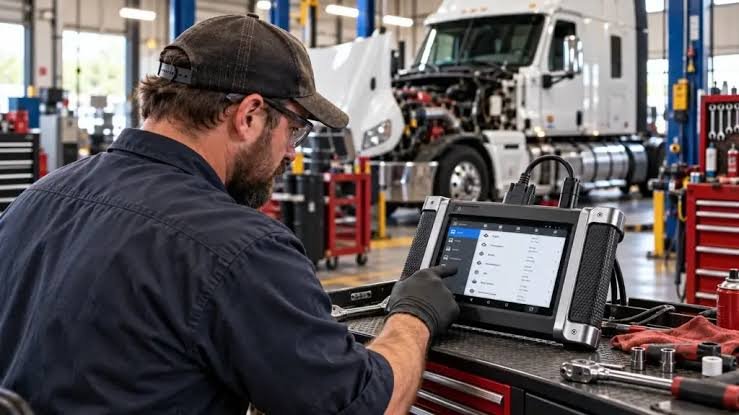
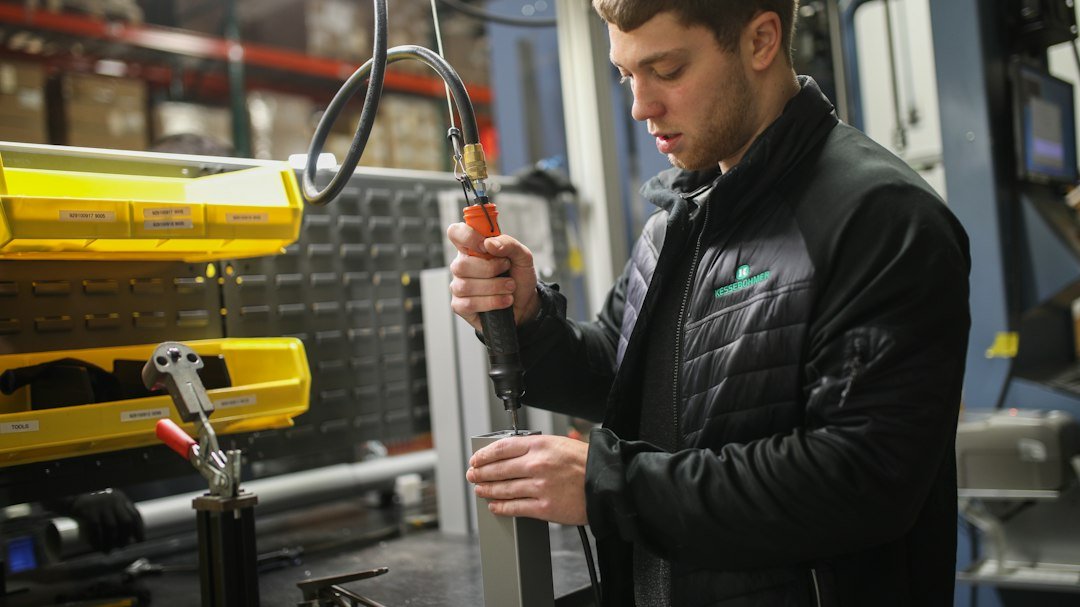
Professional diesel scan tools (think higher-end handheld or tablet-style devices) are built for repeated, complex diagnostic work:
- Broader vehicle and system coverage. They routinely support heavy-duty truck protocols and brand-specific modules. That matters when you encounter uncommon fault codes or electronic subsystems like SCR/DPF controllers.
- Advanced bi-directional controls. Professionals can run relearns, perform injector cut-out tests, force EGR valves or run DPF regen cycles remotely. These functions often eliminate time-consuming mechanical troubleshooting.
- Comprehensive data, guided procedures and scripting. Many professional tools include step-by-step service procedures, component tests and stored data logs; this reduces guesswork and repeat visits.
- Better update cadence and support. Vendors often provide regular software updates, coverage expansions and technical support lines — critical when a vehicle outside your usual fleet arrives.
- Higher upfront cost but lower labor cost per job. The purchase and update fees are higher, but saved diagnostic time and fewer unnecessary parts replacements generally pay back in a busy shop.
What budget diesel scanners actually provide
Budget scanners have improved dramatically and are a practical choice for many users:
- Fundamental fault code reading and clearing. They report standard and some manufacturer DTCs and let you clear check-engine lights.
- Basic live data and frozen frames. Enough to spot obvious sensor failures, fuel pressure issues or turbo boost anomalies.
- Simplified UI and portability. Lighter, often wireless Bluetooth devices that pair with phones or tablets for quick checks.
- Limited bi-directional and system coverage. Some budget models now include basic active tests and limited brand coverage, but they rarely match professional tools for heavy-duty trucks or deep module control.
- Lower upfront cost, but potential hidden limits. Update policies may be restrictive or paid, vehicle coverage can lag, and support is usually minimal — acceptable for DIYers or light-use fleets.
Trade-offs that matter more than price
Don't compare only hardware specs. These trade-offs determine real value:
- Frequency of diverse vehicles: If you work on many makes, professional coverage avoids “I can’t read that module” stalls. For a single personal truck or consistent fleet, a budget scanner matched to those models may suffice.
- Time vs tool cost: Bi-directional functions save technician time; if labor is expensive, a pro tool pays back quickly. For weekend DIYers saving money on a single repair, a budget unit is smarter.
- Update model: Lifetime free updates on a budget tool are rare; unclear update paths can leave a device obsolete. Confirm update policies before buying.
- Support and training: Workshops benefit from vendor tech support, diagnostic libraries and training resources; hobbyists usually do not need that level of backup.
- Resell and durability: Professional hardware tends to be more rugged and holds resale value better if you upgrade later.
When a professional scanner is the right choice
Choose professional tools if any of these apply:
- You run a repair shop or mobile mechanic service handling varied customers and heavy-duty trucks.
- You require bi-directional controls, manufacturer-level functions or guided diagnostic steps to perform repairs quickly and accurately.
- You need dependable vendor support and regular updates to keep coverage current across many models.
Recommended product for this use case:
When a budget scanner is the right choice
Choose a budget scanner if:
- You own one or two vehicles and handle most maintenance yourself.
- Your work is limited to reading/clearing codes, checking basic live data and confirming repairs.
- You want low upfront cost and portability rather than advanced service functions.
Consider the store’s budget category for compact options and check update terms before purchase: Budget OBD2 Scanners.
Practical buying checklist before you click “buy”
Quick checks that eliminate buyer’s remorse:
- Verify explicit vehicle and module coverage for the models you work on.
- Confirm if bi-directional/active tests you need are supported and whether they require extra licenses.
- Check the software update policy and any recurring fees.
- Look for evidence of support: technical docs, training videos or phone/email help.
- Compare hardware warranty and ruggedness if you’ll use the tool in a shop or outdoors.
How to reduce total cost of ownership
Save long-term by matching the tool to tasks, not to perceived future needs. If you expect growth, choose a professional tool with modular upgrades (buy only the publishers’ modules you’ll use). If your needs are narrow, pick a capable budget scanner and allocate saved cash for occasional paid manufacturer-specific diagnostics when needed.
Related reading to sharpen the choice
For more on specific functions and how to use them in repairs see these guides: What Is a Bi-Directional Scan Tool and When Do You Need One? and How to Diagnose Common Diesel Engine Problems Using a Scan Tool.
- List the vehicle makes and systems you must support.
- Note required active tests (relearns, injector tests, DPF regen).
- Confirm update policy and recurring costs.
- Check warranty and vendor support availability.
- Decide whether portability or ruggedness is more important.
Professional diesel scan tools cost more but save time and expand repair capability with deeper coverage, bi-directional controls and vendor support — ideal for shops and heavy users. Budget scanners are cost-effective for owners and light-use mechanics who need basic diagnostics.
Can a budget scan tool run DPF regens and injector tests?
Some higher-end budget models include limited active tests, but full DPF regen control and precise injector diagnostics are typically found on professional tools.
Are software updates important for diesel diagnostics?
Yes. Diesel systems change frequently; updates add vehicle coverage and fix diagnostic bugs, so confirm update cadence and cost before buying.
Will a professional tool pay for itself?
In a busy shop, saved labor time and reduced parts replacement often justify the higher purchase and update costs within months to a few years.
Is wireless (Bluetooth) connectivity reliable for diagnostics?
Bluetooth works well for many tasks, but for advanced procedures and heavy-duty trucks a wired connection can be more stable and is sometimes required by the vehicle.
Can I upgrade a budget tool later?
Some brands offer paid module upgrades or subscriptions; check compatibility and whether your device supports the advanced functions you might need later.