Quick answer: pick based on vehicle type and diagnostic depth
If you work on or own commercial diesel trucks, choose heavy duty truck scanners — they support 24V systems, truck protocols (J1939/J1708), manufacturer-specific modules and service functions like DPF regen. For private cars, light trucks and most DIYers an OBD2 scanner (simple code reader or Bluetooth adapter) handles emission codes and basic live data at lower cost.
Decision criteria: what really matters when choosing
Focus on these practical criteria before comparing models: vehicle electrical system (12V vs 24V), supported communication protocols, systems/modules you need to scan (engine, ABS, transmission, body controllers), required service functions (DPF regen, injector coding, ECU resets), format and workflow (handheld rugged tool vs phone app), and budget. These determine whether a heavy-duty tool is necessary or overkill.
Core technical differences and trade-offs
Voltage and connector compatibility
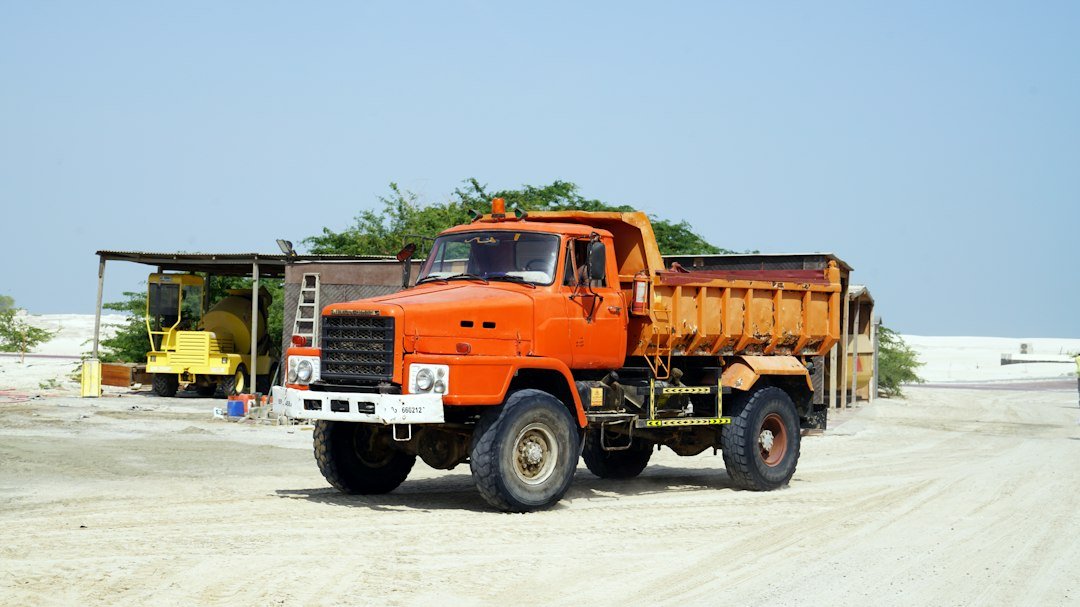
Heavy-duty trucks commonly use 24V electrical systems and 9-pin Deutsch-style connectors or 6-pin heavy duty plugs; heavy-duty scanners are designed for those voltages and connectors. Regular OBD2 scanners assume 12V and a 16-pin OBD-II port — they will often not power up or safely interface with 24V systems.
Protocols and vehicle networks
Cars use standard OBD-II protocols (ISO 15765/CAN, ISO9141, etc.) and emission-focused P0/P1 codes. Commercial trucks use J1939, J1708/J1587 and broader manufacturer-specific CANs; they expose body, chassis and engine modules with different parameter IDs (PGNs). A heavy-duty scanner understands those truck-specific message formats and displays relevant data; an OBD2 tool won’t parse PGNs or J1939 codes correctly.
Scope of diagnostics and service functions
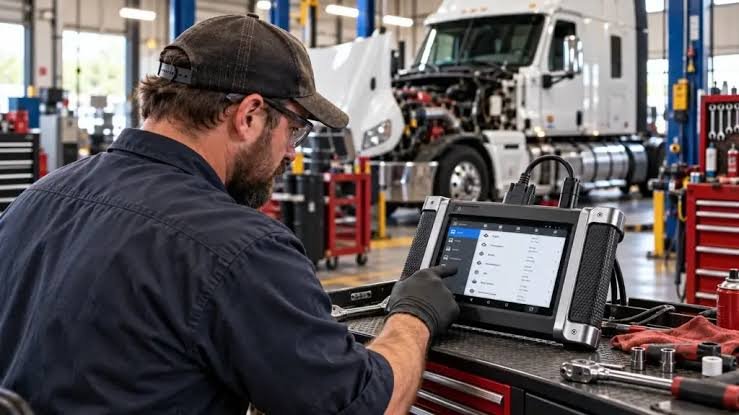
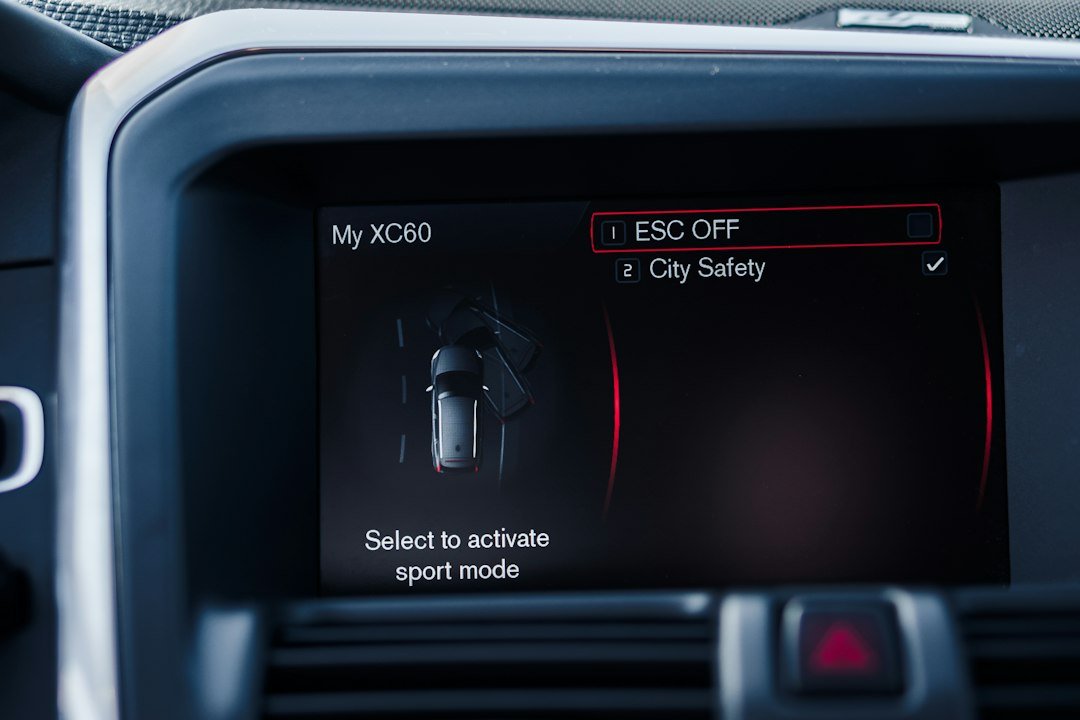
OBD2 tools are primarily emission-code focused: read/clear CEL codes, freeze frame, and basic PID live data. Heavy-duty scanners go deeper: full-system scans across ECM, TCM, ABS, ADAS interfaces, and service procedures such as DPF regeneration, SCR dosing control, injector coding, ABS bleed routines and module programming or parameter updates. If you need workshop-level service functions, a heavy-duty tool is often required.
Data depth and display
Heavy-duty scanners typically present larger sets of live parameters tuned to diesel engines (exhaust temp stacks, turbo boost profiles, DEF dosing, etc.) and can graph multiple channels simultaneously for troubleshooting. Consumer OBD2 devices provide a narrower PID set and simpler graphing, suiting quick fault checks or performance monitoring on cars.
Ruggedness and workflow
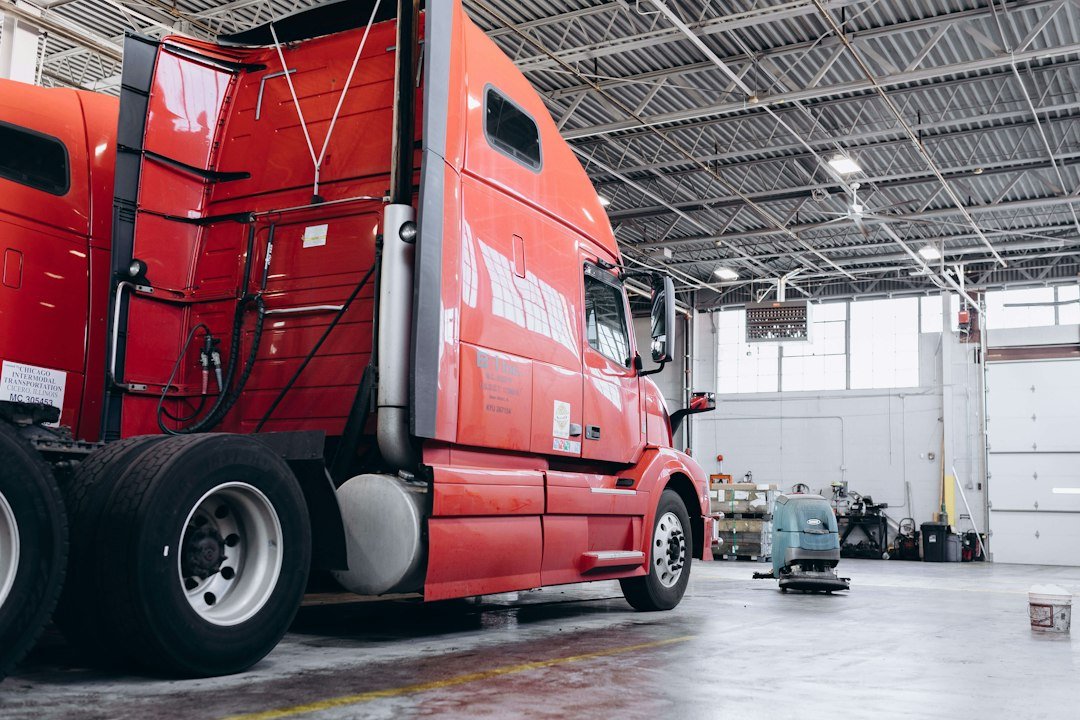
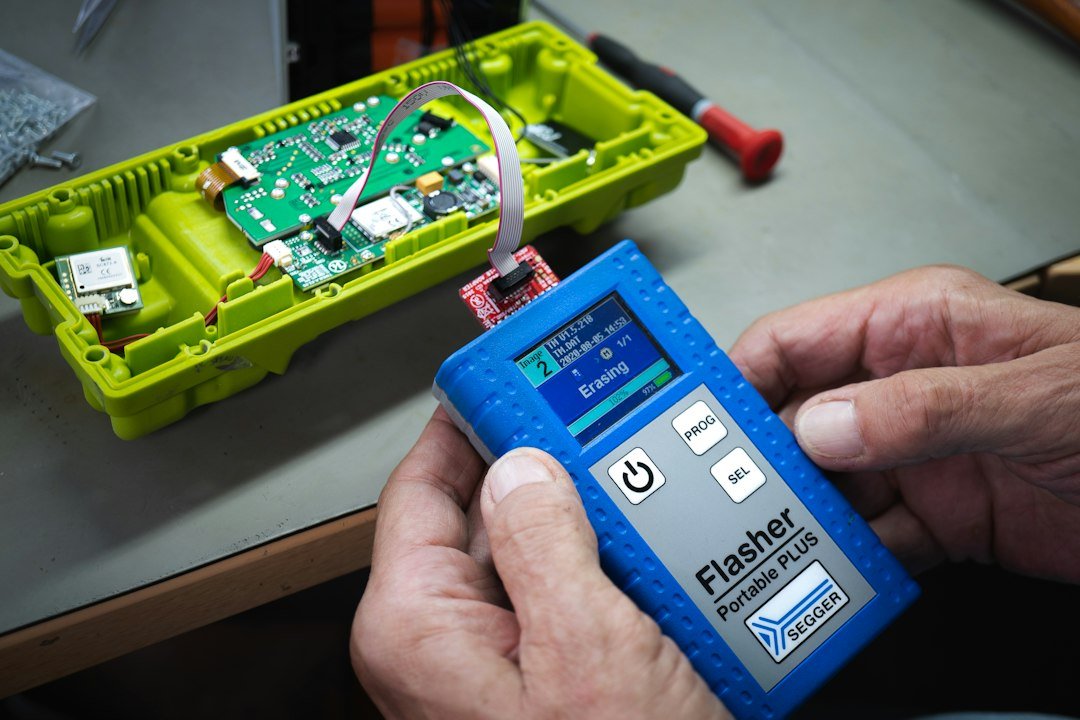
Heavy-duty tools are built for shop or roadside conditions: rugged housings, longer cable runs, and onboard databases for truck makes (Freightliner, Volvo, Paccar, etc.). Many OBD2 Bluetooth dongles rely on a phone app and suit at-home or light-shop use. Trade-off: mobile apps are cheaper and more convenient; dedicated heavy-duty devices reduce fumbling in harsh environments.
Cost and return on investment
OBD2 scanners can cost as little as tens to low hundreds of dollars. Heavy-duty scanners usually run higher, reflecting broader vehicle coverage and professional features. For a fleet, technician or repair shop that will use the tool frequently, the higher upfront cost pays back through faster, accurate diagnostics and in-house service capability. For occasional personal use on a single light vehicle, an OBD2 tool is usually sufficient.
Which option fits your situation
Match the tool to your work and vehicles with these practical profiles:
- Commercial truck fleet owner/technician: Heavy-duty scanner. You need 24V support, J1939 coverage, DPF/SCR service and full module scans. Look for dealer-level module coverage or expandable software subscriptions.
- Independent diesel mechanic servicing trucks and buses: Heavy-duty scanner with multi-brand coverage and service functions; portability and ruggedness matter for on-road calls.
- Pickup truck owner, DIYer, small-workshop: If you only work on 12V light trucks and cars, a mid-range OBD2 scanner or Bluetooth adapter provides all required functions at far lower cost.
- Mixed-use shop (cars + occasional medium truck): Consider owning both: a dedicated heavy-duty tool for commercial vehicles and a compact OBD2 tool for quick car diagnostics, or a crossover 2-in-1 unit if budget and compatibility permit.
When a heavy-duty scanner is overkill
If your needs are limited to checking a check-engine light, monitoring a handful of PIDs, or using a phone app for basic log data on passenger cars, a heavy-duty scanner brings unnecessary expense and complexity. Also, if coverage for a specific truck brand is required only rarely, paying per-use at a dealer or investing in a lower-cost handheld that supports core J1939 reading may be more sensible.
Practical product recommendation
If you decide you need a heavy-duty scanner, a balanced first purchase for many garages is a widely compatible, well-reviewed handheld unit that covers core truck protocols and service functions without dealer-only pricing.
How to evaluate a specific model before buying
Check these specifics on any candidate tool: explicit 24V support, list of supported truck makes and modules, available service procedures (DPF regen, SCR, injector coding), ability to read/clear J1939 PGNs and manufacturer proprietary codes, ruggedness/cable length, software update policy and price, and whether the tool provides waveform/graphing if you need it. Ask the vendor for a compatibility list tied to model years — “compatible with trucks” is not precise enough.
- Confirm vehicle voltage and connector type (12V/16‑pin vs 24V/9‑pin).
- Verify support for J1939/J1708 and specific truck brands you service.
- Decide which service functions you need (DPF regen, injector coding, ABS routines).
- Check update policy, software cost and module coverage list.
- Confirm physical durability and cable length for roadside use.
- Compare total cost of ownership vs paying for occasional dealer diagnostics.
If you regularly work on commercial diesel trucks or run a shop servicing them, buy a heavy-duty scanner — it's designed to speak the trucks' languages and perform essential service routines. If your vehicles are passenger cars or light pickups and your needs are basic, a regular OBD2 scanner or Bluetooth adapter is the most practical, affordable choice.
Do heavy-duty scanners work on cars?
Some heavy-duty scanners include OBD2 support, but they’re bulkier and pricier; for cars a dedicated OBD2 tool is usually more convenient and cost-effective.
Is DPF regeneration available on OBD2 tools?
Most consumer OBD2 readers do not offer DPF regen; that function is typically found on heavy-duty or manufacturer-level tools designed for diesel systems.
How important are software updates for these scanners?
Very — updates add new truck models, fix protocol parsing, and expand service functions; check the vendor’s update frequency and cost before buying.
Can a Bluetooth OBD2 dongle damage a truck?
Using a 12V OBD2 dongle on a 24V truck can fail or be damaged; always confirm voltage compatibility and connector type before plugging in.