Quick answer: what these diesel engine fault codes mean and what to do first
The most common diesel engine fault codes point to problems with air intake/boost (P00xx/P02xx family), exhaust aftertreatment (P04xx, P24xx), fuel/rail pressure and injectors (P02xx/P020x), and emissions-actuator faults (EGR, DEF, DPF). Read the code with a scanner, note freeze-frame/live data, then triage: safety, drivability, emissions. For immediate action, clear non-critical historical codes only after fixing root causes; for codes tied to low fuel pressure, turbo underboost, or DPF/EGR failures, diagnose and repair before driving long distances.
How to read a code so it actually tells you something useful
Use a scan tool that shows full fault code text, freeze-frame and live parameters. Focus on:
- Primary code number and description (e.g., P0299 — Turbo Underboost).
- Freeze-frame data (engine RPM, load, temp) to reproduce the condition.
- Related pending or manufacturer-specific codes (often U- or P1xxx codes on heavy-duty diesels).
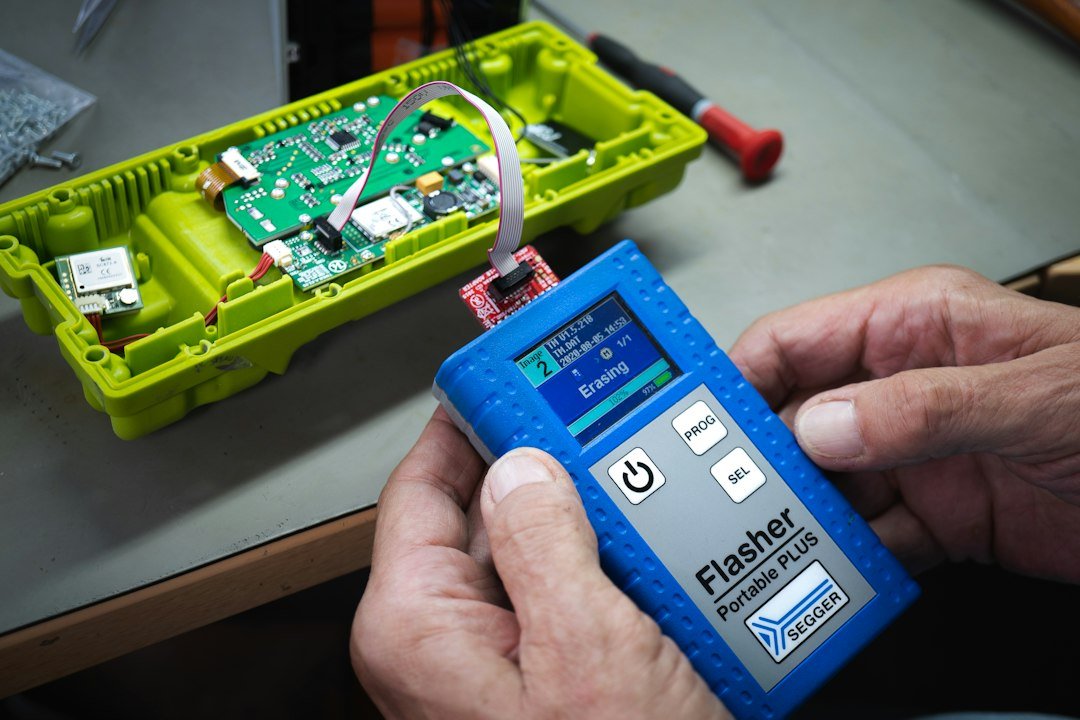
If you’re unfamiliar, start with a simple OBD2 reader that can read and clear codes and display live data. For deeper work—DPF regeneration, manufacturer ABS/engine modules—use a heavy-duty or model-specific scanner. (See product recommendation below.)
Common codes you’ll actually see and what they usually mean
P0101 — Mass Air Flow (MAF) Circuit Range/Performance
Meaning: MAF sensor readings don’t match expected airflow. Typical causes: dirty/failed MAF, intake leaks between MAF and intake manifold, clogged air filter, or incorrect turbo operation. Start with cleaning or replacing the air filter and MAF, then smoke-test the intake for leaks. If live airflow and boost readings disagree, suspect turbo/intercooler leak.
P0299 — Turbocharger Underboost
Meaning: Turbo fails to reach commanded boost. Causes include boost leaks (hoses, intercooler), wastegate stuck open, failed VGT actuator, or turbo mechanical wear. Check boost pressure with live data while under load. An easy check: listen for hissing under boost and inspect hoses. If actuator and hoses are good, turbo removal or actuator rebuild may be next.
P0401 — Exhaust Gas Recirculation (EGR) Flow Insufficient
Meaning: EGR flow is lower than expected. Usually from carbon buildup, failed EGR valve, or EGR control solenoid issues. Carbon cleaning often fixes this on older diesels; newer systems sometimes require valve replacement. Always check EGR passages and vacuum/actuator control first.
P02xx / P020x — Injector Circuit / Cylinder Misfire / Fuel Rail Pressure
Meaning: Electrical/injector performance trouble for a specific cylinder or low rail pressure. Causes: failed injector, wiring/connector problem, low fuel pressure from pump or filter, or contaminated fuel. Start with fuel filter, check rail pressure sensor readings, then swap injectors or test wiring to isolate the cylinder.
P24xx / Uxxxx — DEF and SCR System Faults
Meaning: Problems in selective catalytic reduction (SCR) or DEF dosing (heater, injector, sensor). Causes: empty/contaminated DEF, clogged injector, sensor failure, or heater faults in cold climates. Confirm DEF level and quality first; many vehicles will derate power when SCR faults become serious.
DPF-related codes and regeneration warnings
Meaning: Excess soot or failed regeneration cycle. Causes: frequent short trips, bad injector creating rich conditions, failed pressure/temp sensors, or clogged DPF. Attempt a forced regeneration with a scanner that supports it (manufacturer or heavy-duty tool). If that fails, inspect differential pressure sensors and the catalyst housing — replacement may be needed if blocked solid.
Common diagnostic sequence to isolate cause
- Scan and record all codes, freeze-frame and live-stream parameters.
- Confirm if code is active or pending; test-drive to reproduce if safe.
- Check simple items first: belts, hoses, filters, fluid levels (DEF), and connectors.
- Use targeted tests: boost pressure, rail pressure, MAF voltage/signals, EGR opening percentage, and DPF differential pressure.
- Replace or repair the failed component; clear codes and verify repair with a confirmed good drive cycle.
When you can clear a code yourself — and when you shouldn’t
Clearing codes is useful after a verified repair to confirm the fault doesn’t return. Don’t clear a code as a troubleshooting step unless you’ve recorded the freeze-frame. If the code relates to safety (braking, steering), emissions regulators, or permanent DTCs on heavy-duty vehicles, diagnosing and repairing before clearing is crucial — otherwise the fault can mask a worsening condition and you may be noncompliant with emissions laws.
Recommended scanner for quick, reliable first steps
If you need one tool for reading and live-data on common diesel codes, a solid mid-range OBD2/diesel reader that supports live-stream and forced regenerations is ideal. For general diesel duty and the ability to read DPF/EGR/DEF-related codes, consider the top-ranked diesel diagnostic scanner available in our store.
Practical exceptions and manufacturer quirks to watch for
- Manufacturer-specific codes: heavy-duty brands often use P1xxx or proprietary U-codes. A generic reader may show a code but not the descriptive text — use a model-specific scanner if needed.
- Intermittent codes: heat or vibration can cause wiring faults that vanish when cold — recreate conditions to trap them.
- Aftertreatment systems vary widely by model year. Older diesels tolerate manual DPF cleaning; newer units may lock in codes requiring dealer-level tools.
When to call a pro
Bring in a technician when codes indicate major turbo damage, internal injector failure on multiple cylinders, sealed emissions-actuator faults that require dealer-level resets, or when the vehicle is under warranty and the repair impacts compliance. If a fault causes severe drivability loss or overheating, stop driving and get professional help.
- Scan and save all codes, freeze-frame and live data before clearing.
- Inspect air filters, hoses and connections for immediate boost/MAF issues.
- Confirm fuel pressure and replace fuel filter if low or contaminated.
- Check DEF level/quality before diagnosing SCR faults.
- Attempt forced DPF regen only after verifying sensors and fuel/injector condition.
- Use a model-specific scanner for proprietary or P1xxx codes.
Most common diesel fault codes cluster around air, fuel, turbo/boost and aftertreatment systems. Read codes with live data, troubleshoot simple items first (filters, hoses, fluids), and reserve forced regens or component replacement for when diagnostics confirm them. Invest in a capable scanner if you work on diesels regularly.
Can I clear a diesel fault code and drive normally?
Clearing a code hides the symptom but doesn’t fix the cause. If the code affects emissions or drivability, diagnose and repair before relying on clearing to pass inspections or avoid damage.
How do I know if a turbo-related code is the turbo or just a hose?
Use live boost data: if commanded boost is high but measured boost is low and you hear leaks, inspect hoses/intercooler first. Abrupt turbo noise, smoke or oil in intake suggests turbo mechanical failure.
When does a DPF require replacement instead of cleaning?
If differential pressure sensors and forced regeneration fail repeatedly and visual inspection shows a solid, fused brick of ash, replacement is usually required; cleaning helps when soot is soft and regenerable.
Which scanner can force a DPF regen or perform SCR tests?
Many mid- to high-range diesel diagnostic tools and dealer tools can force regens and run SCR/DEF tests; check tool specifications and vehicle compatibility before buying.